
Sunderland Greyhound Results — Race Data From the North-East Stadium
 Available in US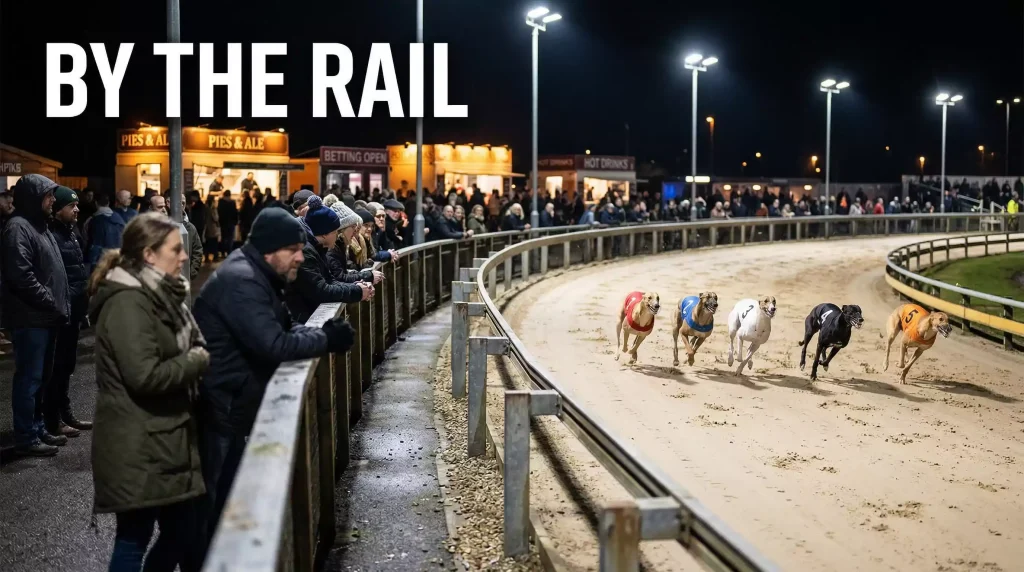
Sunderland greyhound results come from the north-east’s second licensed stadium, a venue that operates in the considerable shadow of its neighbour at Newcastle’s Brough Park but maintains its own identity and its own loyal following. The Sunderland track has been part of the UK greyhound circuit for decades, and while it does not claim the flagship events or the attendance records that Brough Park has generated in recent years, it fills a role that the sport cannot do without: a reliable, well-run venue that contributes to the daily BAGS schedule and gives trainers in the region a track closer to home.
The stadium is situated in Sunderland itself, accessible from across Tyne and Wear, County Durham, and the wider north-east. For the bettors who follow it regularly, Sunderland offers the advantages of any venue you get to know well — familiar form lines, understood track characteristics, and the kind of pattern recognition that only comes from studying results at one place over time.
Results from Sunderland follow the same GBGB-standard format as every other licensed track: finishing positions, times, starting prices, dividends, comments, and going. What makes these results distinct is the context provided by the track itself — its dimensions, its surface behaviour in the north-east climate, and the form patterns that emerge when you read enough cards from north-east nights at this stadium.
The other track in the region is Newcastle.
Sunderland Stadium — Distances and Meeting Schedule
Sunderland’s circuit is a standard oval with four bends, offering racing across the usual range of distances. The programme includes sprint races, the standard trip of approximately 480 metres, and stayers’ events over longer distances. As at most UK stadiums, the 480-metre standard distance makes up the majority of the card, with sprints and stayers’ races providing variety without dominating the evening programme.
The track surface is sand-based, consistent with the rest of the national circuit. Sunderland’s north-east location means the surface is subject to the same seasonal patterns as Newcastle: cold, damp winters that can make the going heavier through the autumn and spring months, and drier summers where the track plays closer to its fastest. Going declarations at Sunderland should be checked before every meeting, because the difference between “normal” and “slow” going can shift finishing times by several tenths of a second over 480 metres — enough to distort any comparison between runs taken at different meetings.
The bends at Sunderland are of moderate width, sitting somewhere in the middle of the spectrum between the tight turns of compact southern tracks and the generous sweeps of larger northern venues like Newcastle. This middle-ground geometry produces racing that neither overwhelmingly favours inside runners nor penalises outside-drawn dogs as harshly as tighter circuits do. The first bend is far enough from the traps to allow most of the field to settle into running positions before the turn arrives, which generally means cleaner racing through the opening strides.
Meeting nights at Sunderland are coordinated through the SIS schedule, with the stadium typically hosting evening fixtures on selected weekdays. Each meeting runs the standard 12 races at approximately 15-minute intervals, producing a card that spans roughly three hours from first trap to final result. The exact days of racing can shift from week to week depending on how the national schedule is configured, but the pattern is regular enough that followers of the track know when to expect the next card.
The relationship between Sunderland and Newcastle is worth noting from a practical perspective. The two tracks are close enough geographically that trainers in the region can run dogs at either venue without major logistical difficulty. This means the pools of runners overlap significantly — a dog that raced at Sunderland last week might appear at Brough Park next week, and vice versa. For form analysts, this overlap is useful: it allows direct comparison of a dog’s performance across two different track geometries within the same regional racing ecosystem.
The wider context is set out in tonight’s greyhound results.
Sunderland Form Factors — What Makes This Track Different
Sunderland’s form book has its own character, shaped by the track’s geometry and the types of dogs that race here most frequently. The moderate bend radius means that trap draw is a factor but not the dominant one — dogs drawn inside have an edge, as they do at virtually every UK track, but a strong middle-distance runner drawn in Trap 5 with a proven ability to find the rail by the second bend is not necessarily at a fatal disadvantage. Reading the race comments from previous Sunderland runs is essential: they reveal whether a dog’s finishing position was earned on merit or distorted by first-bend traffic.
The BAGS structure ensures that Sunderland’s fixture list fits into a broader national schedule. The system now facilitates up to 74 meetings every week across all licensed UK tracks, with close to 5,772 dogs competing in any given week. Sunderland’s contribution to that total is modest — a handful of meetings per week rather than the three-night programmes offered by busier stadiums — but each meeting produces a full card of 12 races and the data that goes with them.
One form factor that deserves attention at Sunderland is the stayers’ distance. The longer trip places a premium on sustained pace and the ability to negotiate multiple bends without losing position, and dogs that perform well over the stayers’ trip at this track are often telling you something about their underlying fitness that a standard-distance result might not reveal. If a dog posts a strong stayers’ run at Sunderland and then drops back to the standard trip at its next outing, the longer race provides valuable context for how fit and competitive the dog is likely to be.
Weight trends are another angle. Greyhounds running at northern tracks during the winter months can carry slightly different condition compared to the summer schedule, and weight changes between runs sometimes reflect seasonal adjustments in training rather than any cause for concern. A dog that has gained a fraction of a kilogram between a summer run and a winter outing may simply be carrying a heavier coat and normal seasonal mass. The key is to compare like with like — recent winter weights against recent winter weights, not winter against summer.
Going to Sunderland — What to Expect at the Track
Sunderland’s appeal as a night out extends beyond the betting. The stadium offers a straightforward, affordable evening that competes well against other local leisure options, and the north-east audience has traditionally been receptive to greyhound racing as a social event rather than strictly a gambling activity. Groups booking tables for an evening at the dogs is a common feature of the Friday and Saturday night schedule, and the stadium caters for this with restaurant-style dining alongside the standard trackside viewing.
Arena Racing Company reported a 5 per cent overall increase in greyhound attendance across its venues in 2026, and the north-east has contributed to that trend. While Newcastle’s headline growth — driven by the All England Cup — captured the most attention, Sunderland has benefited from the same broader shift: an audience rediscovering greyhound racing as viable entertainment at a time when disposable income is under pressure. An evening at Sunderland costs less than most restaurant meals, lasts three hours, and comes with the genuine unpredictability of live sport. That is a competitive proposition.
The catering and facilities at Sunderland are functional rather than luxurious, but they serve the purpose. Hot food, a licensed bar, indoor and outdoor viewing areas, and a generally relaxed atmosphere that makes first-time visitors feel welcome. For regulars, the draw is simpler: it is their track, their dogs, their night out. The results matter for the betting, but the experience matters for the return visit, and Sunderland’s continued presence on the BAGS schedule owes as much to that loyal repeat audience as it does to the commercial mechanics of the fixture list.
